The Art of Thoughtfulness: How to Justify a Luxury Gift Hamper Without Feeling G
If you’ve ever been tasked with buying a gift for someone you love—a father, a husband, a friend—you know the specific brand of anxiety that comes with it. It's not just about finding something they like; it’s about finding the perfect intersection of taste, thoughtfulness, and impact.
And then there are luxury gift hampers. They look magnificent. They promise an experience far grander than what is contained within their beautiful wicker baskets. But as soon as you pull out your wallet, a little voice whispers: Is it worth this much? Am I overdoing it?
If that internal debate sounds familiar, take a deep breath. You are not alone. The challenge of the luxury gift hamper isn't financial; it’s psychological. We live in a culture where value is often measured by price tag, and we want our gestures to feel equally substantial. So, how do you bridge the gap between an impressive cost and undeniable emotional worth?
The trick isn't to justify the money spent; it's to reframe the entire conversation from one of transaction to one of curated experience.
Shifting Focus: From Price Point to Intention
The most critical thing you can do before even looking at a hamper is adjust your own internal metric for "value." If we treat these gifts as mere collections of expensive objects, they will always feel disproportionate to the emotional weight they carry.
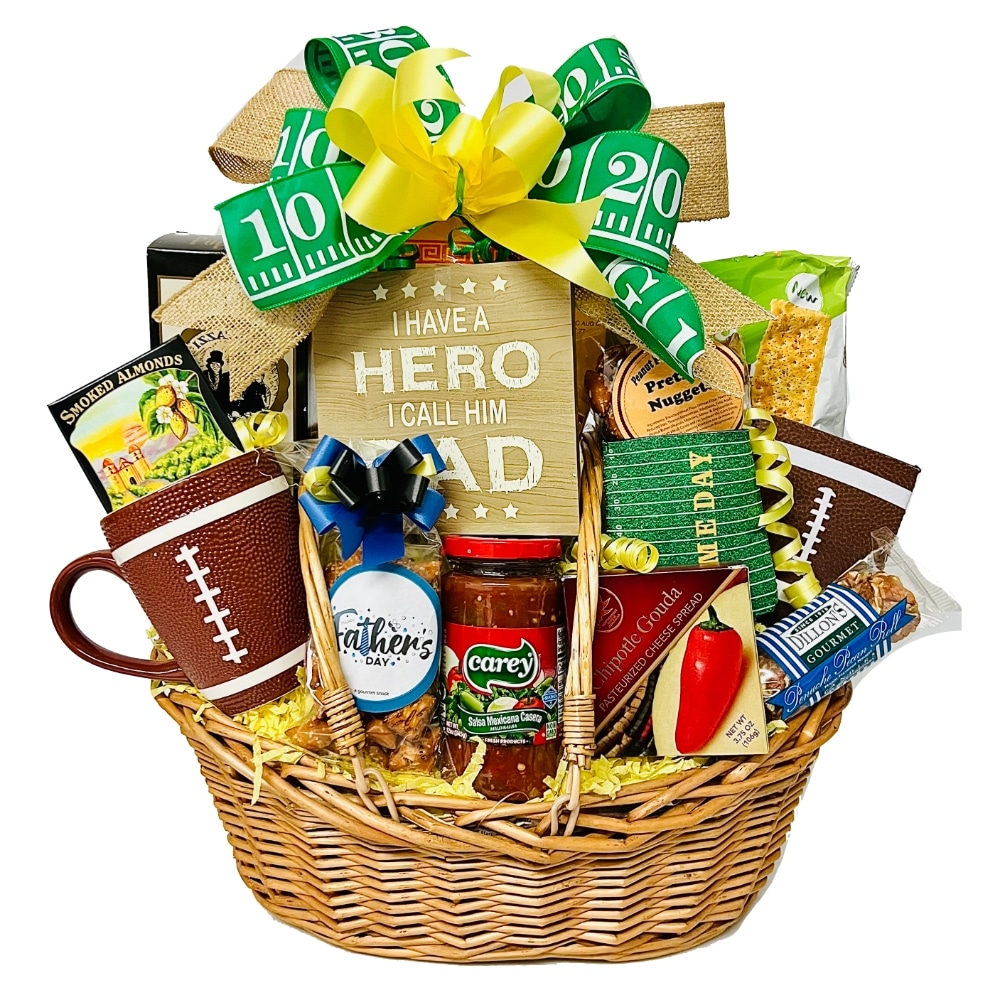
Instead, view the gift hamper as an artifact of intention. It is physical proof that you spent time, considered their tastes, and thought about what makes them happy—not just what is currently "in style."
Consider this simple shift: A $100 thoughtful book recommendation feels different than a random purchase. The book suggests you were paying attention to their reading habits. Similarly, the hamper shouldn't feel like a grab-bag of expensive items; it should feel like a perfectly assembled narrative.
- The Storytelling Angle: What story does this basket tell? Is it "A perfect Sunday morning"? Is it "An evening spent by the fire"? When you can articulate that narrative, the cost becomes secondary to the memory it promises.
- Quality over Quantity (Always): A luxury hamper should feel edited, not stocked. If you include ten mediocre items just to fill space, the message gets lost. Three exceptional, highly curated pieces speak louder than twelve nice-enough ones.
The Power of Curating a ‘Moment,’ Not Just Objects
The difference between a good gift and a great gift is that one is an object, and the other is an event. A luxury hamper should function as a catalyst for a shared moment.
This means pairing the contents with suggestions on how to use them together. The basket isn't just for display; it’s for action.
For example, if your hamper includes artisan cheese, two types of crackers, and a bottle of local wine, simply presenting them is only half the battle. You need to suggest the ritual: "We should open this on Saturday—just the four of us, with some good jazz playing."
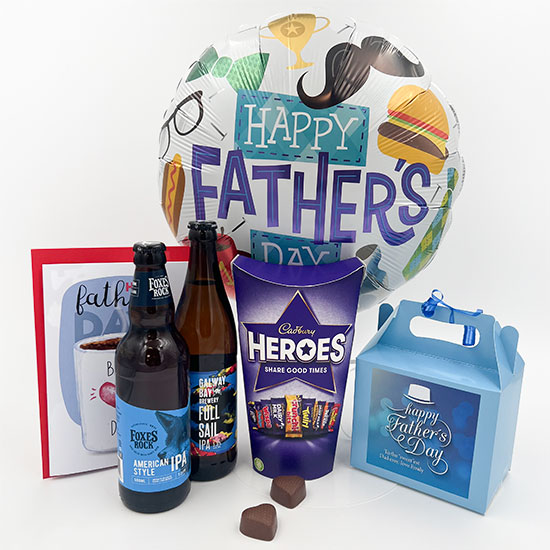
This small suggestion transforms the gift from an expenditure into a date. Suddenly, the high cost isn't for the items; it’s for buying back a memory.
“The greatest gift is not what you give, but the time and attention you dedicate to making someone feel truly seen.” — Unknown
Think about how much more valuable that feeling of being seen is than any specific jar of gourmet jam. That's the emotional currency you are buying.
Making It Personal: The 'Signature Item' Rule
To prevent the gift from feeling generic—the kind of hamper that could be bought anywhere—you must anchor it with something deeply personal. This is your signature touch.
This signature item doesn't have to be expensive; in fact, making it unexpectedly un-luxury can be more impactful. Perhaps you include a specific type Online Gift Store of coffee bean from the region where your father grew up, or a book by an author he mentioned years ago.
The combination is key:
- The Bulk: The beautiful, high-quality items (wine, chocolate, etc.) provide the impressive polish.
- The Core: The signature item provides the undeniable heart.
This mix reassures both you and the recipient that the gift was built around their unique life, not pulled from a generalized inventory.
Beyond the Basket: Presenting the Value Proposition
Even if your loved one is practical—the kind who quietly calculates cost-per-use—you can still frame the value proposition elegantly when presenting Gift Giving the hamper.
When you give it, use descriptive language that emphasizes the source and the craft, not just the category. Instead of saying, "Here’s some nice chocolates," try: "These are single-origin truffles from a small chocolatier in Belgium—I found this little spot on my trip."
This technique does two things immediately:
- It builds narrative: It gives you an engaging story to tell about the gift's origin.
- It justifies expertise: You sound like a curator, not just a shopper. You’ve done your homework and found something exceptional.
If questioned on the price—and sometimes life throws those questions our way—you can confidently pivot back to the experience: "I know it was an investment, but I figured this whole spread would make for a Saturday afternoon that we won't forget."
The Lasting Impression
Ultimately, gift-giving is less about the transaction and more about the emotional ripple effect. When you wrap up all those beautiful items in a hamper, what you are really purchasing isn’t cheese or crystal; you are buying a dedicated moment of shared joy. You are providing an excuse to slow down, connect, and simply enjoy each other's company over something delicious.
Focus on that feeling—the one that makes them smile, the one that sparks a conversation, the one that reminds them how deeply they are cared for. That feeling? That’s the value that nothing can ever price out.